Factory Topic / CAPABILITY
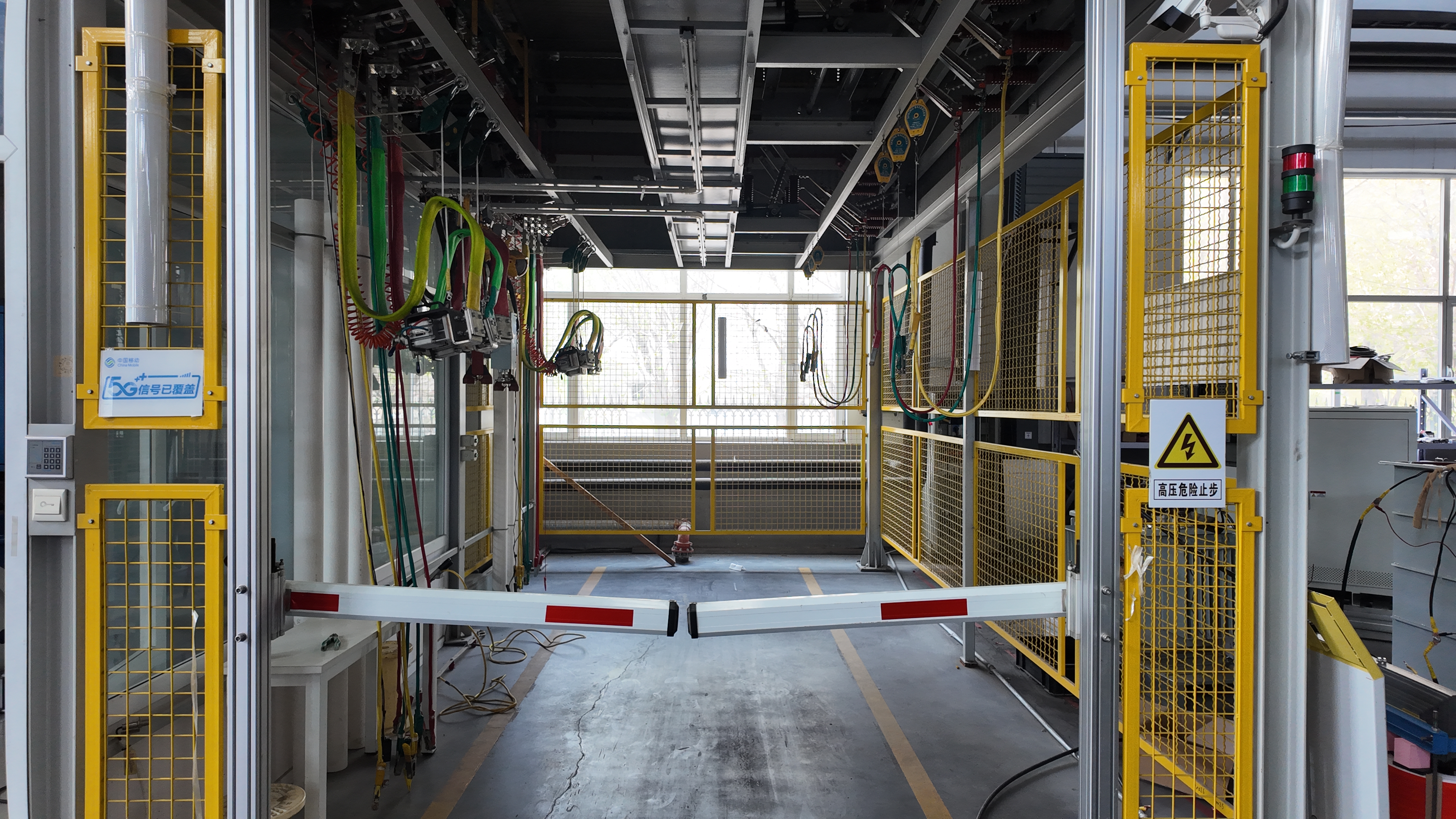
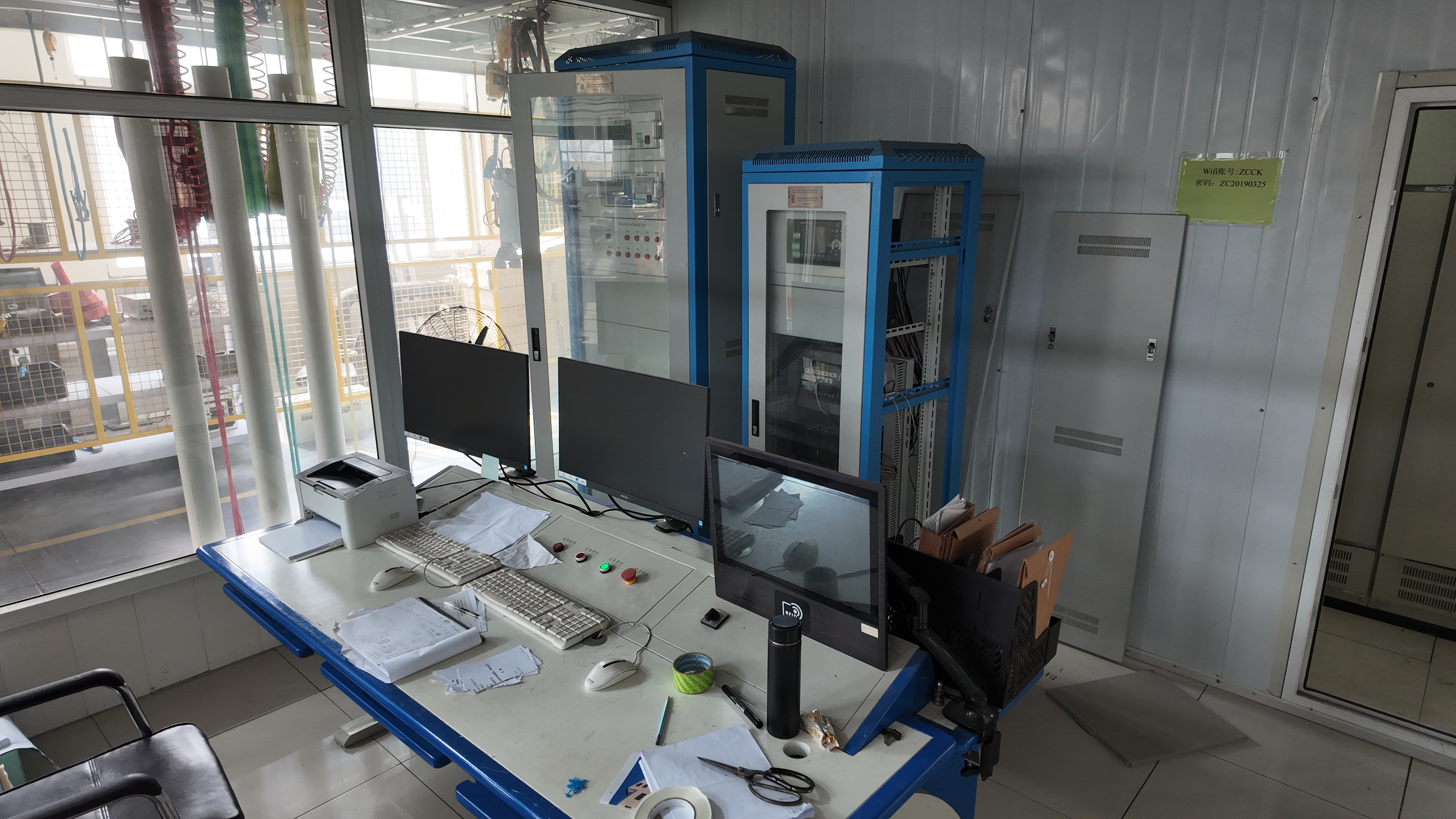
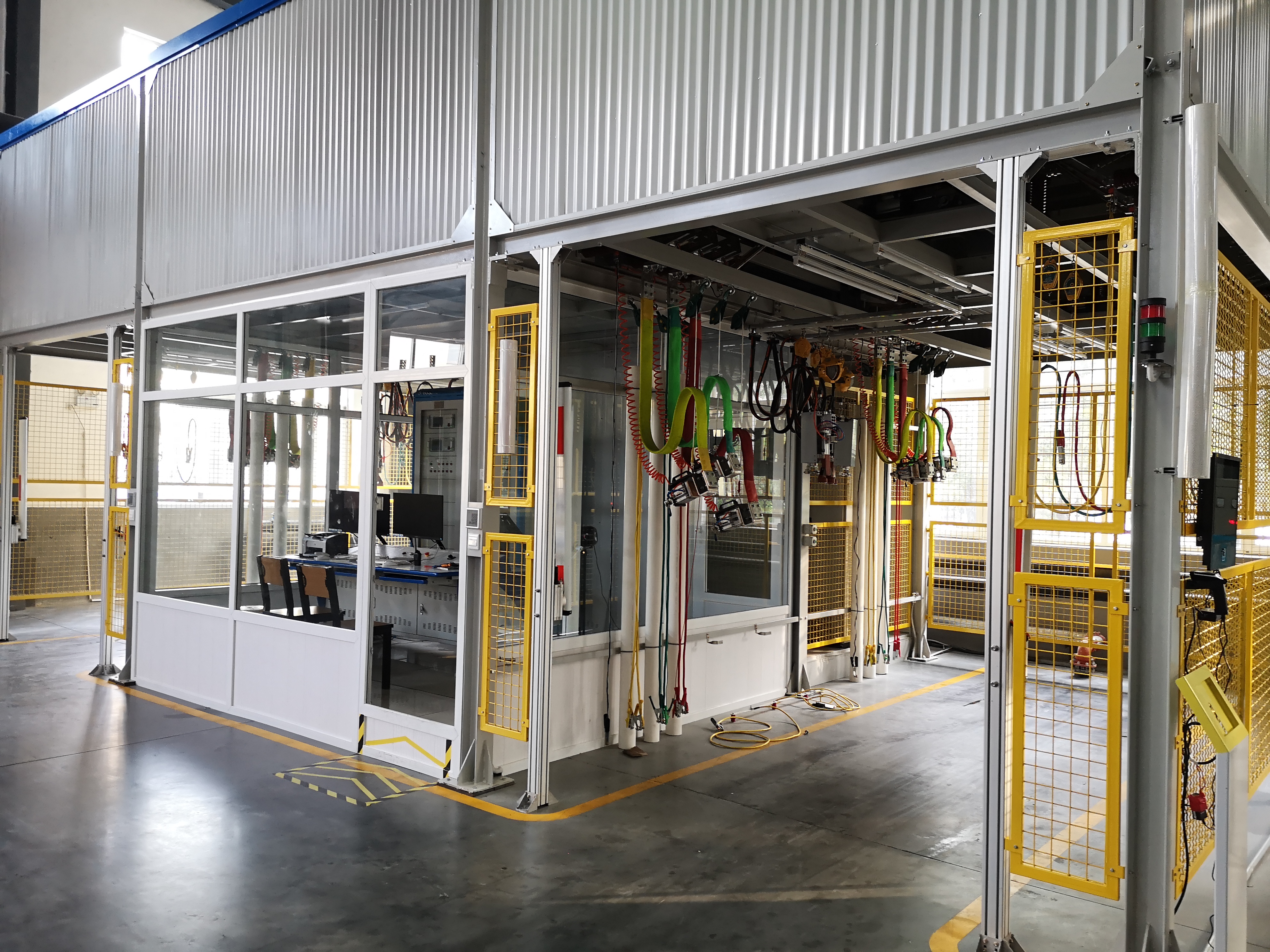
Intelligent Test Station
Uses integrated test stations and intelligent control to improve transformer final-test efficiency and operational safety.
- Key capability 01
- Serves the comprehensive testing stage before transformer shipment and carries critical electrical performance validation tasks.
- Key capability 02
- Supports standardized execution of testing processes through a centralized station design.
- Key capability 03
- Forms a coordinated loop with manufacturing, quality inspection, and delivery.
Testing Positioning
- Serves the comprehensive testing stage before transformer shipment and carries critical electrical performance validation tasks.
- Supports standardized execution of testing processes through a centralized station design.
- Forms a coordinated loop with manufacturing, quality inspection, and delivery.
- As an important validation checkpoint before shipment, it raises the bar for test efficiency, result accuracy, and operational safety.
- Supports standardized testing for multiple product models within the same testing framework.
- Provides a clear basis for quality release, issue traceability, and delivery decisions.
Core Capability
- Allows one operator to complete the main transformer test operations within a fixed station.
- Handles one work-zone testing task at a time, improving station utilization.
- Reduces back-and-forth movement and switching cost during the testing process.
- Supports orderly execution of key test items according to standard workflow.
- Uses centralized stations and standardized flow to lower collaboration complexity during testing.
- Helps close the loop on test records, abnormality feedback, and retest arrangements.
Business Value
- Improves testing efficiency and shortens the waiting time between final assembly and shipment validation.
- Reinforces standardized testing and reduces variation caused by manual operation.
- Provides more reliable support for stable delivery and quality release.
- Reduces the impact of testing on overall delivery rhythm and improves shipment throughput.
- Speeds up the discovery of critical quality issues, creating more time for repair and retesting.
- Establishes a clearer validation mechanism for quality control in transformer manufacturing.