Factory Topic / CAPABILITY
Logistics Distribution System
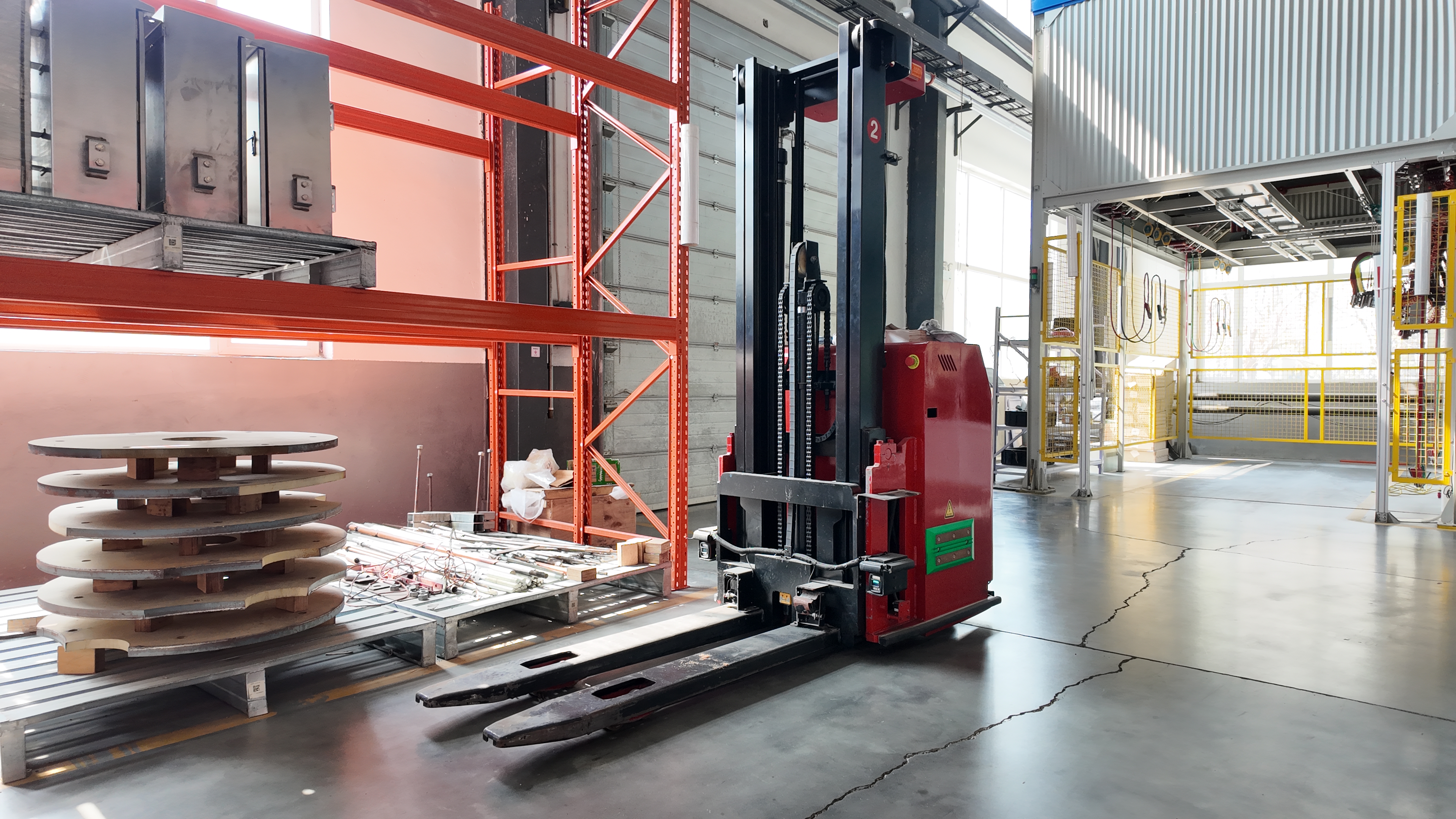
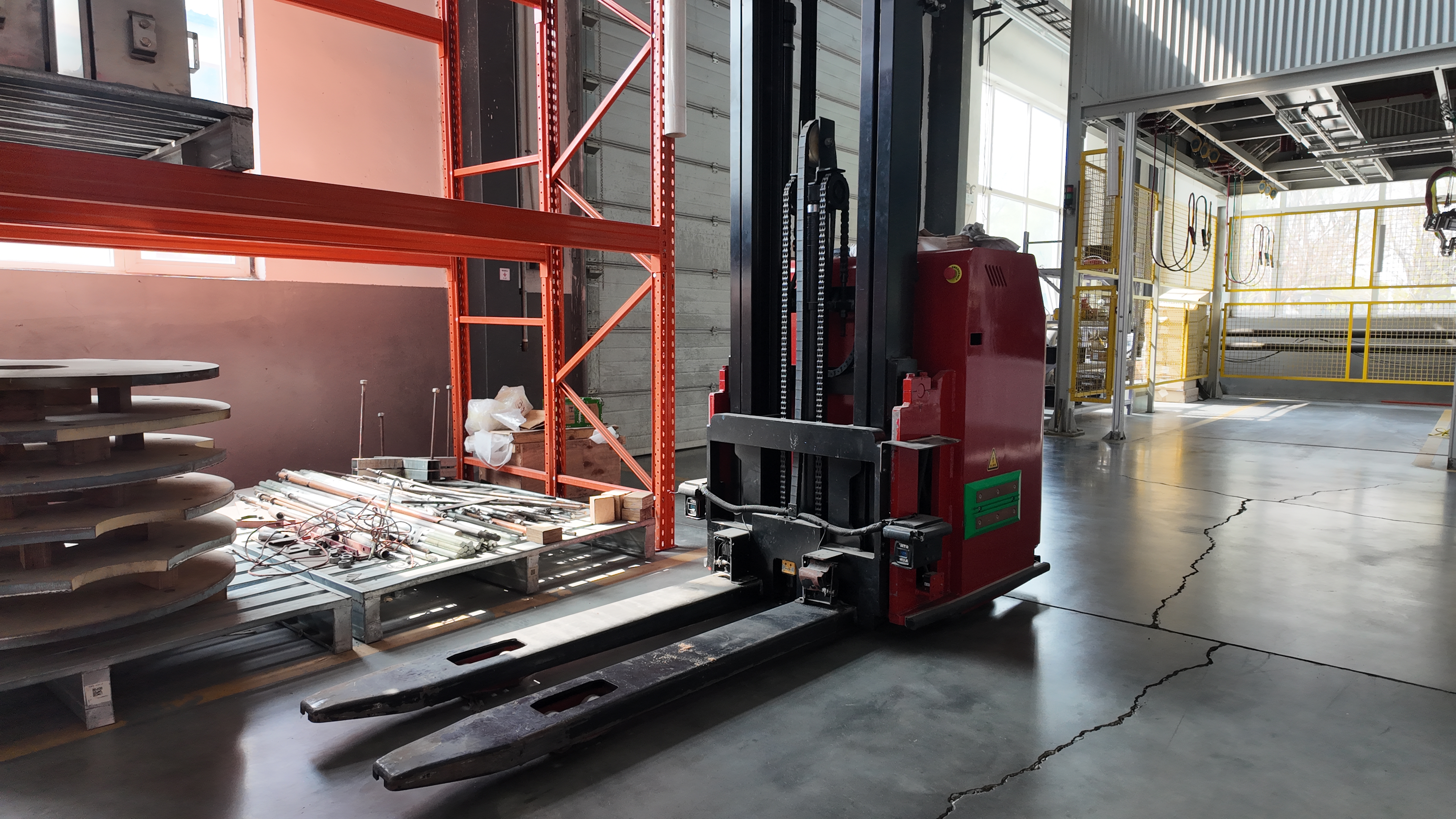
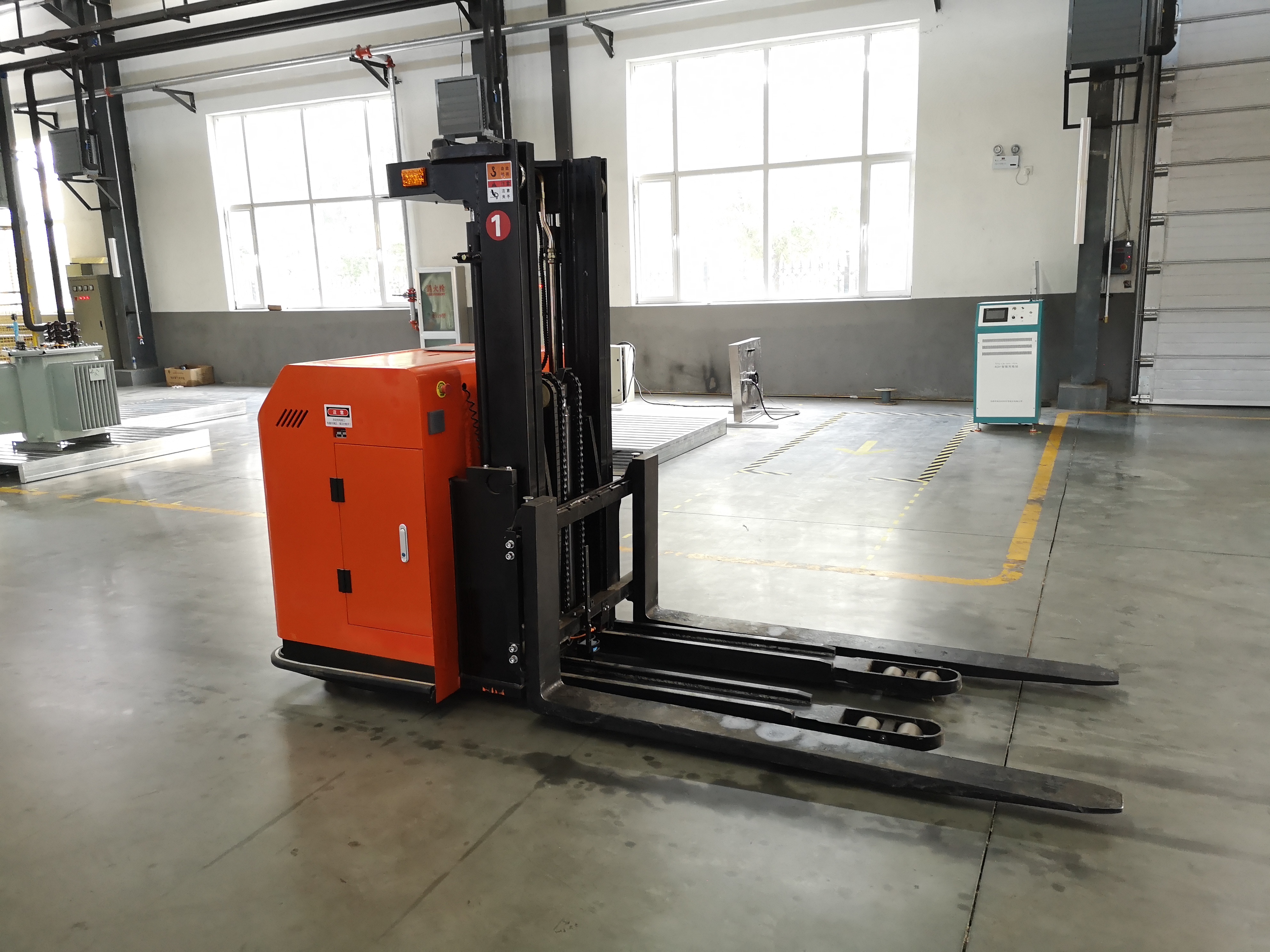
Uses AGVs and process-based material delivery to connect internal material flow, reduce waiting and shortages, and improve factory operating efficiency.
- Key capability 01
- Supports in-plant material circulation and process delivery to keep manufacturing continuous.
- Key capability 02
- Connects storage locations, delivery nodes, and production stations to improve on-site organization.
- Key capability 03
- Provides support for multi-process coordination and takt stability.
System Positioning
- Supports in-plant material circulation and process delivery to keep manufacturing continuous.
- Connects storage locations, delivery nodes, and production stations to improve on-site organization.
- Provides support for multi-process coordination and takt stability.
- Applies to internal delivery of coils, active parts, accessories, and auxiliary materials in transformer manufacturing.
- Shifts logistics from manual experience toward a more rhythm-based way of coordinating the shop floor.
- Builds more stable support for production-plan execution, station feeding, and urgent replenishment.
Core Capability
- AGVs can perform point-to-point delivery and move required materials to designated stations.
- Supports material-flow coordination across production steps and reduces manual handling burden.
- Lowers stoppages caused by missing material or waiting for material.
- Keeps critical materials arriving on takt through coordinated handoff across different operations.
- Reduces repeated manual transport routes and time spent searching for materials, increasing useful station time.
- Helps establish clearer delivery-node management and on-site logistics order.
Business Value
- Improves continuity at workstations and reduces non-value-added waiting time.
- Optimizes the logistics path on the shop floor and strengthens workshop collaboration efficiency.
- Builds a more stable material-assurance capability for transformer manufacturing.
- Reduces takt fluctuation and congestion caused by poor material organization.
- Improves on-site coordination efficiency when multiple operations run in parallel.
- Provides more reliable logistics support for scaled production and stable delivery.