Factory Topic / CAPABILITY
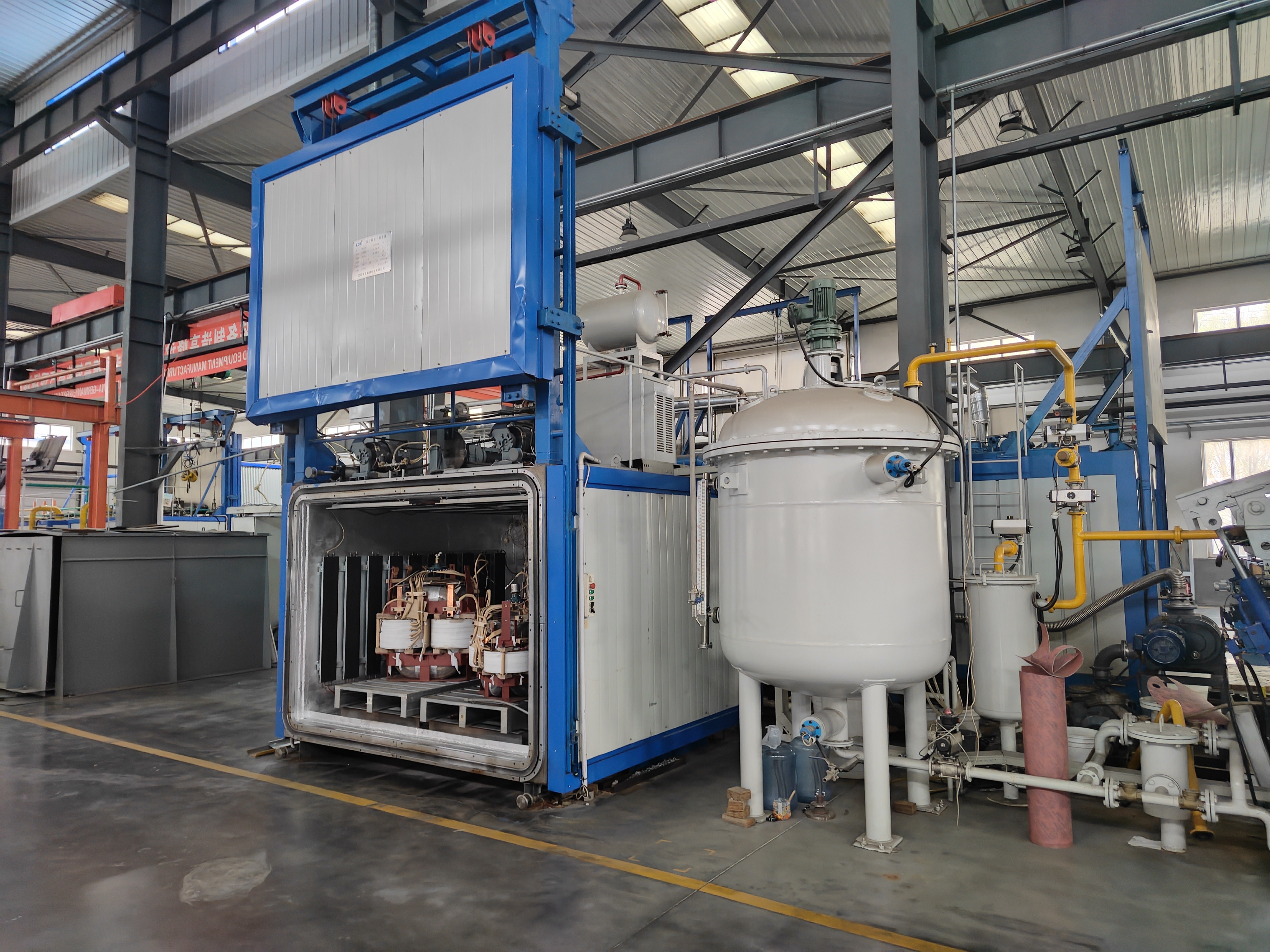
Vacuum Radiative Drying System
Supports the insulation-drying stage in transformer manufacturing by improving drying efficiency, reducing energy consumption, and protecting downstream oil filling and assembly quality.
- Key capability 01
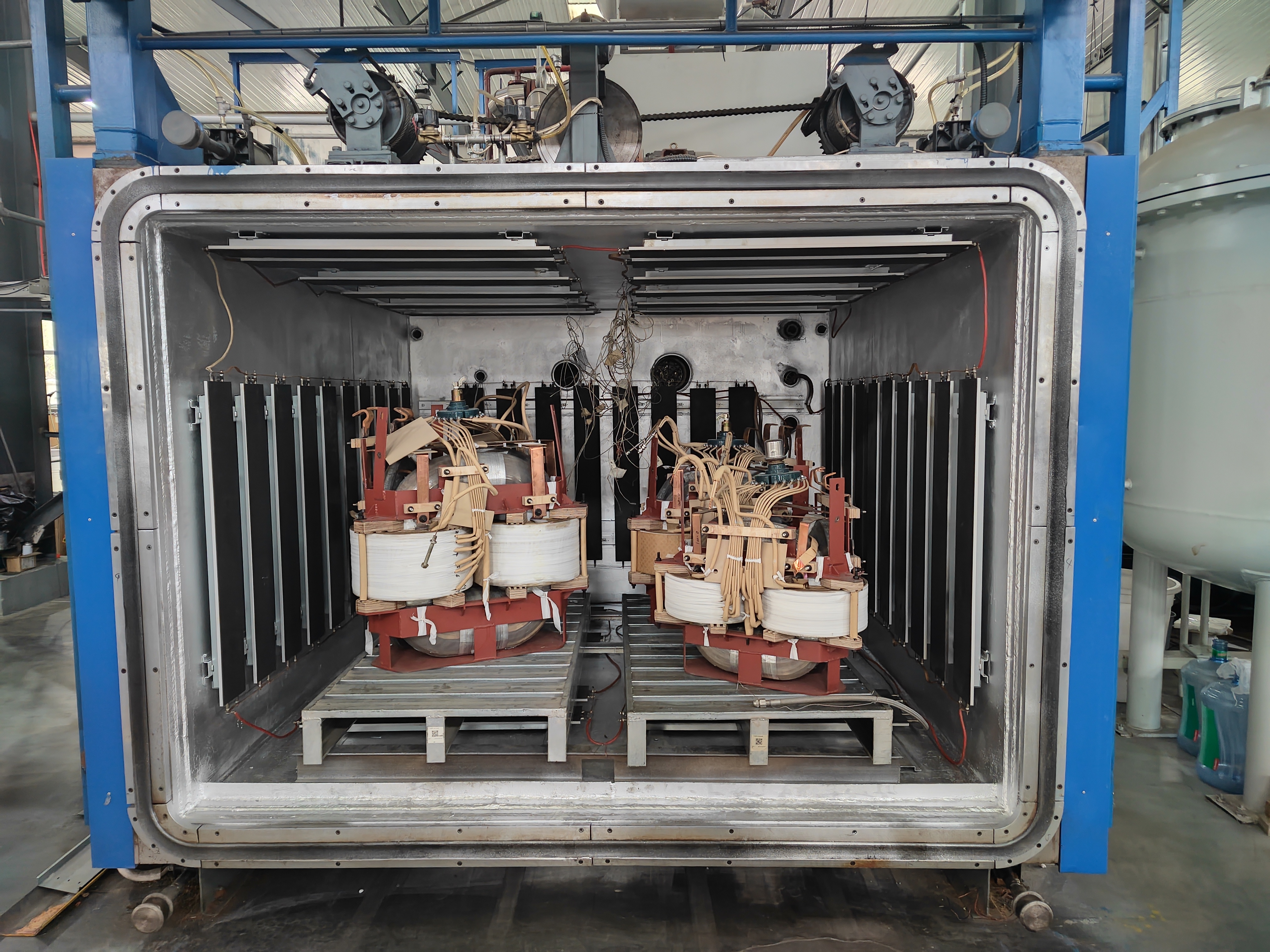
- Used for drying and setting transformer coils and active parts after assembly, reducing the risk of moisture in insulation materials.
- Key capability 02
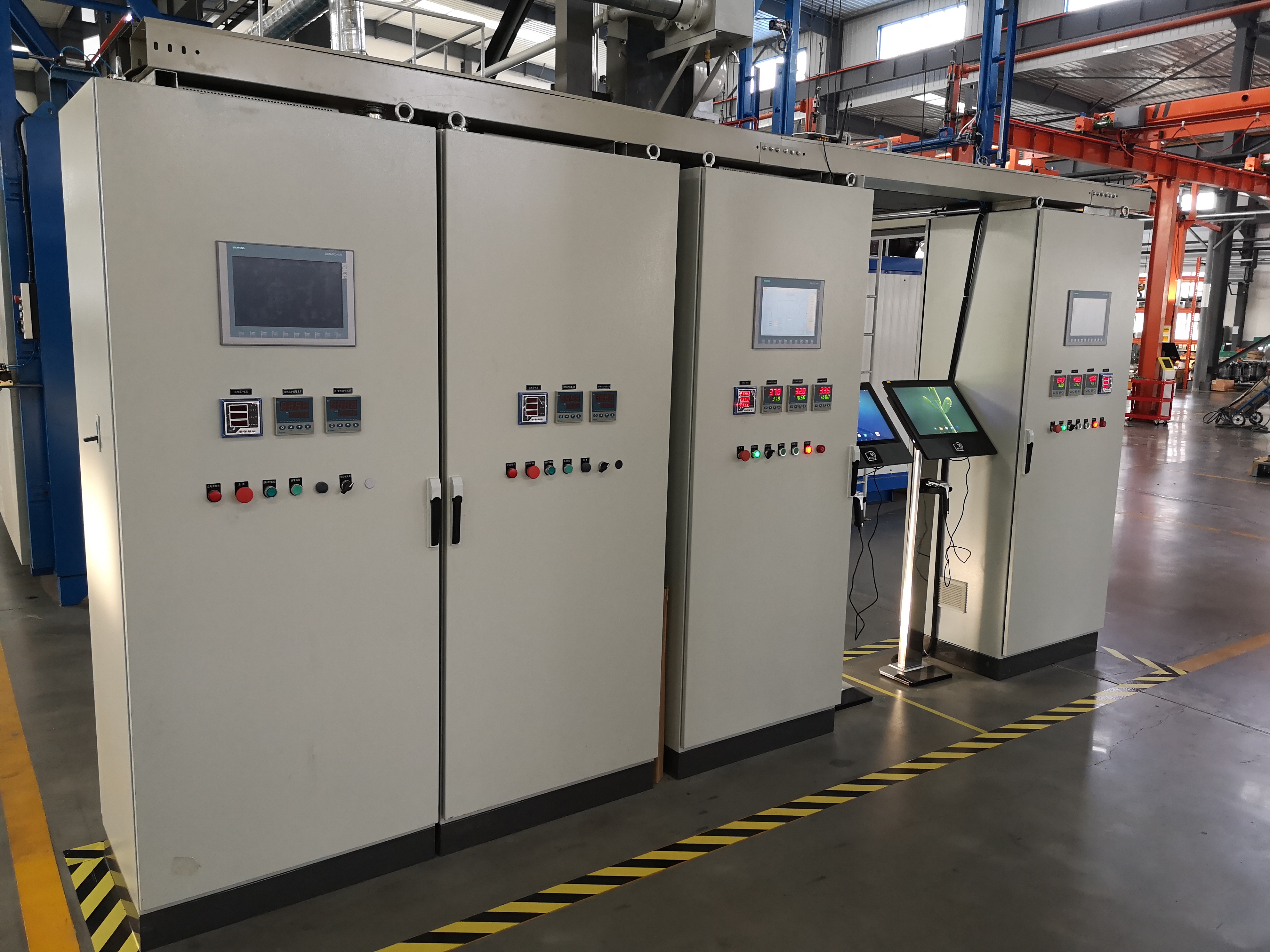
- Provides stable temperature control and process discipline for subsequent oil filling, final assembly, and factory testing.
- Key capability 03
- Matches the production-rhythm requirements of products at different voltage classes.
System Role
- Used for drying and setting transformer coils and active parts after assembly, reducing the risk of moisture in insulation materials.
- Provides stable temperature control and process discipline for subsequent oil filling, final assembly, and factory testing.
- Matches the production-rhythm requirements of products at different voltage classes.
- Supports a critical insulation-treatment stage in transformer manufacturing so the active part is stable before oil filling.
- Improves treatment consistency for insulation components through controlled drying parameters and lowers quality risk from moisture variation.
- Connects smoothly with upstream winding and assembly as well as downstream oil filling, improving overall manufacturing continuity.
Equipment Features
- Drying for 10kV products can typically be completed within 8 to 10 hours.
- Drying for 35kV products can typically be completed within 15 to 24 hours.
- Compared with traditional vacuum pressure-variation drying furnaces, it can significantly reduce energy consumption.
- Supports different temperature, time, and process-control strategies by product specification.
- Balances drying effectiveness with production-rhythm requirements, reducing waiting and backlog.
- Improves repeatability and controllability in this critical insulation-treatment step through more stable process execution.
Business Value
- Shortens the drying cycle and improves overall transformer production rhythm.
- Reduces energy cost in manufacturing and improves factory operating efficiency.
- Improves insulation-treatment stability and supports a higher first-pass test rate.
- Lowers the risk of rework, retesting, and delivery delays caused by incomplete drying.
- Helps balance production efficiency and quality-control goals, improving manufacturing stability.
- Builds a more reliable process foundation for downstream oil filling, assembly, and factory testing.